Complete Guide to finding trusted pest control services
Comprehensive Pest Control Solutions: Keep Your Home Free of Pests
Effective pest management solutions are important for creating a relaxing home. Dwellers confront various challenges from standard pest types, which can disrupt daily life. Identifying the warning signs of pests is the first step in managing these matters. While natural methods have gained popularity, knowing the full spectrum of control options is essential. This exploration poses key issues about the equilibrium between DIY solutions and when to seek professional assistance. What strategies will prove most effective?
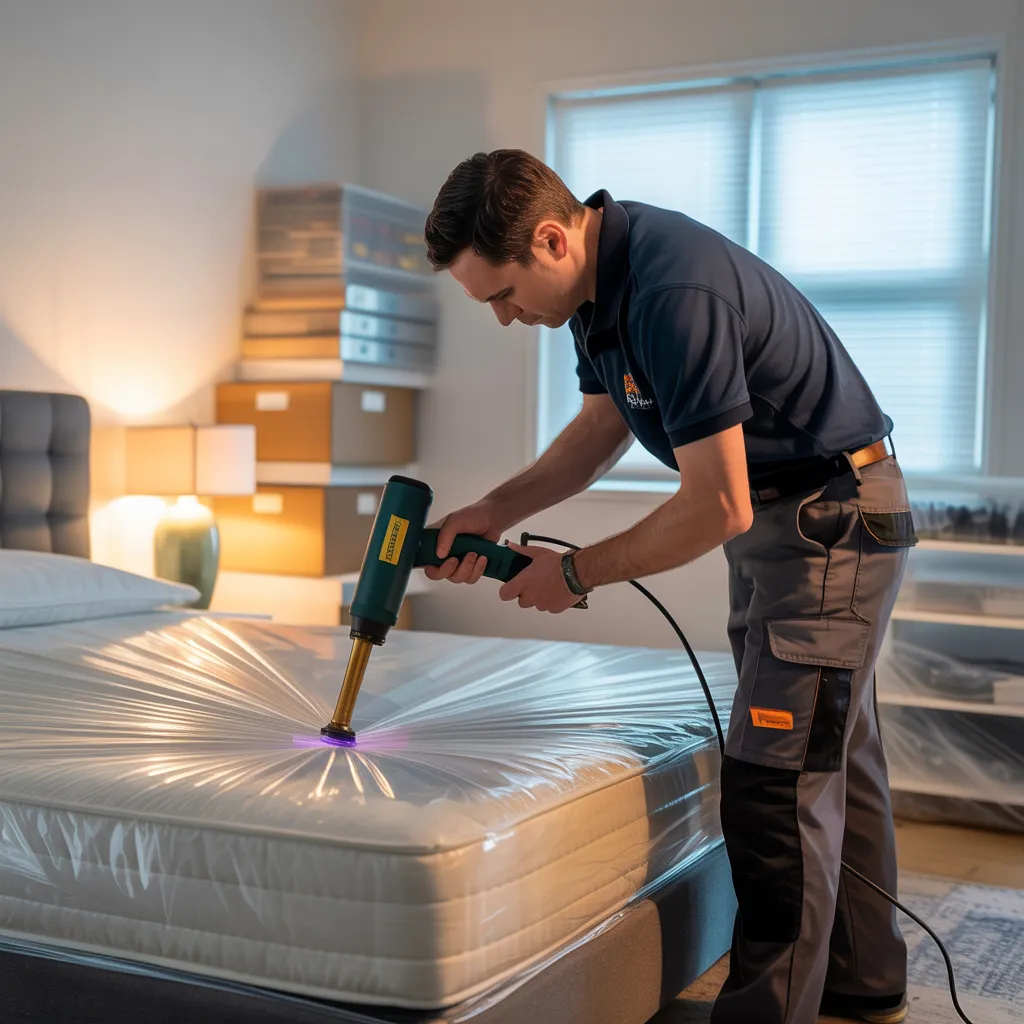
Standard Home Infestations and Effective Pest Management
When dwellers detect pesky intruders in their living spaces, they often seek rapid answers for common household pests. Among these irritating insects, ants, cockroaches, and rodents are often observed. Ants typically invade kitchens in search of food, while cockroaches thrive in warm, dark areas. Rodents, on the other hand, can cause structural damage and present disease threats.
Effective pest management begins with identification and prevention. Property owners are advised to block access routes, keep areas clean, and remove food supplies. Bait traps and insecticides can be employed for specific infestations, though caution is advised to ensure protection of kids and animals. In extreme situations, expert pest management companies may be required to execute thorough eradication methods. Understanding the characteristics of these insects and using targeted strategies creates a more wholesome home space and reduces future infestations.
Identify Indicators of Infestation
Recognizing signs of infestation is crucial for effective pest management. Typical indicators consist of strange sounds, distinctive odors, and observable feces or harm to your home. Spotting these symptoms promptly can help stopping a small problem from progressing into a severe problem.
Unusual Sounds and Smells
Strange noises and smells are often key indicators of a pest infestation. Homeowners might notice rubbing, dashing, or biting sounds, particularly at night when pests tend to be active. These noises commonly point to rodents, like mice or rats, which often reside in walls, attics, or basements. Moreover, specific odors can reveal an infestation. A dank or strong aroma may suggest a buildup of droppings or urine, while a foul, rotting odor might suggest the presence of dead pests. Detecting these auditory and olfactory clues is important for early detection. Quick attention to unusual noises and smells enables homeowners to address the problem before a minor concern turns into a more significant pest issue.
Apparent Residue or Destruction
Visible waste and damage function as obvious signs of a pest problem. Property owners should be vigilant in recognizing these signs, as they can vary greatly between different pests. Rodent waste, for instance, are small, dark, and pellet-like, often found in concealed areas or near food supplies. In contrast, insect waste may resemble tiny particles or granules, depending on the species. Destruction can appear as chewed wires, gnawed furniture, or even wall damage. Such evidence not only indicates the presence of pests but also highlights potential risks to health and property. Early detection of these indicators is vital for effective pest control and preventive measures, guaranteeing a healthy and pest-free environment.
Best Natural Pest Control Techniques
Although many homeowners choose chemical solutions for pest control, the best natural techniques offer effective alternatives that are both environmentally friendly and safe. Essential oils, including peppermint and lavender, can repel different insects thanks to their powerful fragrances. Diatomaceous earth functions as a natural insecticide, dehydrating pests when touched. Additionally, vinegar is a multi-purpose solution that effectively repels ants and spiders when sprayed.
DIY traps like baited jars for fruit flies can also be useful. Adding helpful bugs such as ladybugs and lacewings helps reducing pest populations without harming the ecosystem. Moreover, regular cleaning and proper food storage deter unwanted guests by removing attractants. Growing herbs like basil and rosemary around the home can also serve as natural repellents. By combining these approaches, homeowners can maintain a pest-free environment while encouraging a healthier living space.
Grasping Chemical Pest Control Choices
Chemical pest control solutions offer a spectrum of pesticide types designed to target particular pests efficiently. Understanding these various formulations is vital for successful implementation and reducing environmental impact. Furthermore, adhering to safety precautions is crucial to guarantee the well-being of both applicators and neighboring ecosystems.
Forms of Chemical Pest Control Agents
Pesticides play a role in an critical role in advanced agriculture and pest management, supplying a spectrum of solutions built to target specific pests competently. There are several types of pesticide substances, including insecticides, which control insect populations; herbicides, which address unwanted plants; and fungicides, implemented to counteract fungal infections. Additionally, rodenticides are formulated to exterminate rodents, while nematicides zero in on parasitic worms. Each category features various active ingredients, allowing for tailored approaches copyrightd on the pest type and infestation level. Systemic pesticides are absorbed by plants, rendering internal protection, while contact pesticides act on contact with the pest. Recognizing these distinctions aids in selecting the most appropriate pesticide for vigorous and optimized pest control.
Security Safeguards To Take Into Account
During pest control, it is imperative to prioritize safety protocols to diminish possible risks related to chemical applications. Homeowners are advised to read and follow label instructions meticulously, ensuring proper dosage and application steps. Personal protective equipment (PPE) such as gloves, masks, and goggles plays a key role in safeguarding against chemical exposure. It is recommended to keep children and pets at a safe distance from treated areas until the chemicals are dry and the space has been ventilated. Moreover, storing pesticides securely and out of children’s reach can help prevent accidental ingestion. Considering environmentally friendly alternatives can ultimately reduce health risks while effectively managing pest issues. By implementing these precautions, you ensure a safer environment while performing required pest control measures.
Implement DIY Pest Control Tips
Using DIY pest management tips enables homeowners to address pest problems effectively and economically. Simple solutions frequently utilize common household items, making them convenient and affordable. For instance, a blend of vinegar and water can deter ants, while baking soda and sugar can lure and destroy cockroaches.
Maintaining cleanliness is paramount; securing food storage and promptly cleaning spills reduce pest attractions. Homeowners can also establish defenses by closing openings and fissures around doors and windows. Essential oils like peppermint and tea tree oil serve as natural repellents, offering a fragrant alternative to chemical solutions.
Regularly checking the home for signs of pests facilitates early intervention, preventing larger infestations. Traps and bait stations can be strategically placed in high-traffic areas to control and manage pest populations. By adopting these DIY strategies, homeowners can copyright a pest-free environment while nurturing a sense of control and responsibility in their living spaces.
When should you consider when to call professional assistance?
Homeowners may realize that despite their greatest efforts with DIY pest control approaches, some invasions need professional intervention. Signs indicating the necessity for expert help comprise ongoing pest problems, significant pest invasions, or the existence of pests that pose health risks, such as rodents or termites. If initial treatments do not produce results, it may be time to consult experts who have expert expertise and tools.
Additionally, specific situations demand immediate professional assistance. These include the discovery of nests in inaccessible areas, likely structural damage caused by pests, or when facing dangerous creatures, like wasps. Homeowners should also consider expert assistance if they lack the time or means to manage the situation effectively. Ultimately, engaging a extermination specialist can provide a thorough assessment and a strategic approach, providing confidence and a clean space.
Questions People Inquire About Often
How Do I Stop Pests From Getting Into My Home?
To stop pests from check now entering a home, one should close gaps, add screening on windows, keep things clean, store food properly, and frequently check for evidence of pests. These steps greatly reduce the likelihood of pest problems.
What Petsafe Pest Control Options Are Offered?
Yes, safe for pets pest control options are offered. Organic deterrents, natural oil extracts, and pet-friendly traps engineered for household use can successfully deter pests without harming animals. Always review product labels for safety guidelines.
What Expenses Come With Pest Control Services?
Costs associated with pest control services differ significantly, generally extending from $100 to $300 for initial treatments. Ongoing service agreements may cost $40 to $70 per month, based on the intensity of the infestation and service frequency.
How Long Does Pest Control Treatment Last?
Pest control treatment typically lasts from a few weeks to several months, depending on the kind of pest and the approach employed. Follow-up appointments may be vital to preserve effectiveness and prevent return of pests.
Will Insects Come Back Once Pest Control is Finished, and How Do I Avoid That?
Pests can come back after treatment if not properly controlled. Preventive measures include closing off access areas, maintaining cleanliness, and regular inspections. These actions help minimize the likelihood of pest recurrence and maintain a pest-free environment.